

Colour in the Office: Beyond Fifty Shades of Grey Furniture
Walk into most offices and the palette is grey desk, grey carpet, black chair, white wall. It is safe, it photographs well in the brochure, and after a year nobody can tell you what colour anything is. Office colour schemes do not need a designer or a repaint. They need one decision, made on purpose, about where colour goes and what it is for.
Give the colour a job
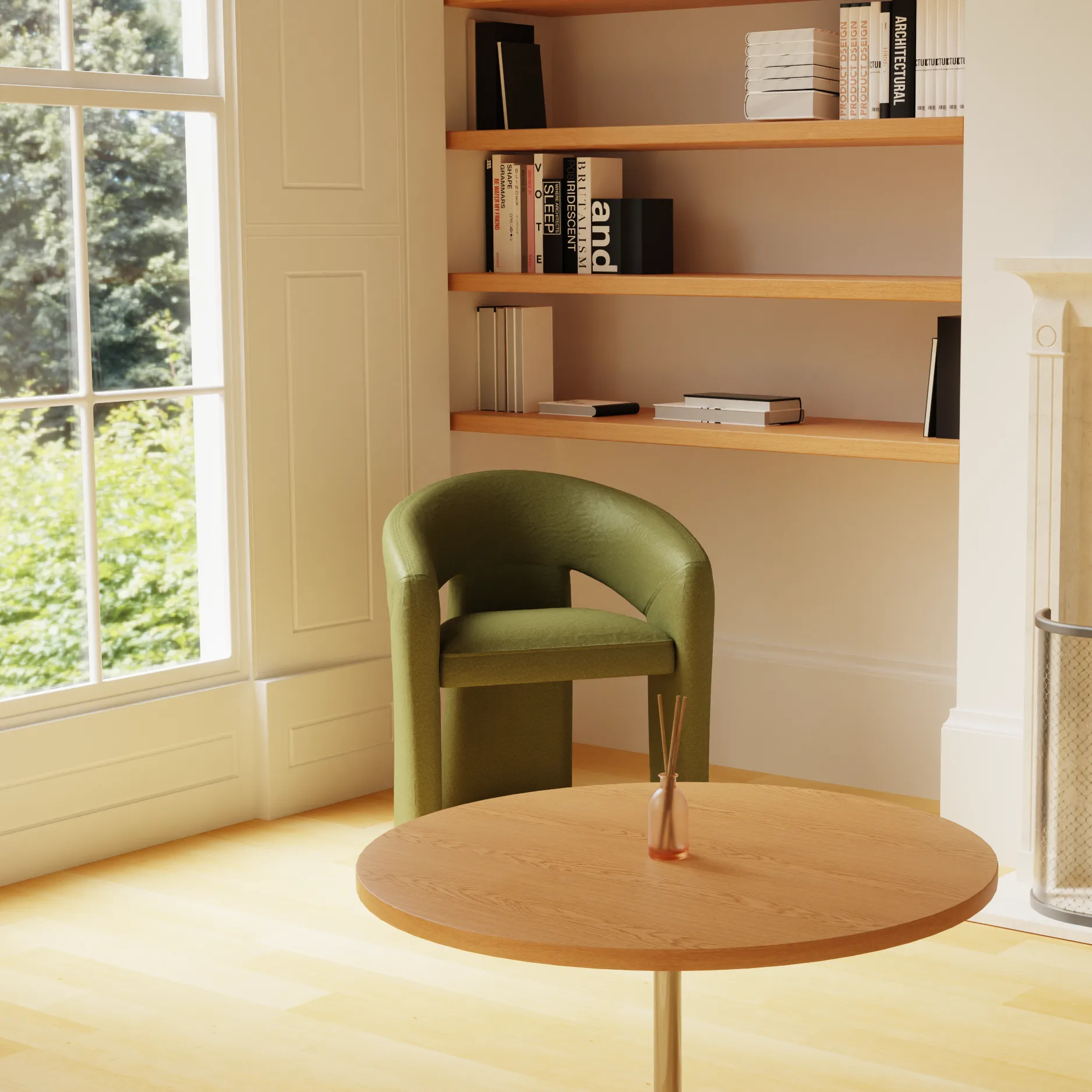
The mistake is treating colour as decoration. It is better used as a signal. A green chair in reception says sit here and wait. Teal task chairs on one bank of desks say this is the finance team. A pair of pink armchairs in the corner says this is where you take a call, not a meeting. When colour is doing a job, people read it without being told, and the rest of the office can stay as calm as you like.
So pick one colour. Give it one job. Let the greys carry everything else. That is the whole plan, and it works in a two person office or across a floor.
Accent seating
The easiest place to start is the seating people do not work in. A single Boho forest green accent chair in a reception does more than a feature wall and costs £197. The Lulu armchair comes in old rosa pink velvet, the Phoebe in cream bouclé, and any one of them changes the mood of a corner without touching the desks. Our office sofas and soft seating range is where most of the colour in the catalogue lives, and it is the part of the office where people notice.
Upholstery as a floor plan
Task chairs are where colour becomes useful rather than pretty. Many of our fabric chairs are upholstered in Camira fabrics with a long colour list. The Houston, for example, has 21 options, including Maringa teal, Senna yellow, Tabasco orange and Tansy purple alongside the usual black and grey. Put one colour on each team's chairs and you have zoned the office without a screen or a sign. New starters find their desk. Visitors find the right person. Nobody has painted anything.
Desk screens take the same fabrics. The bench desk divider screens come in bergamot cherry, maringa teal and myrrh green as well as plain black and blue, so a team's colour can run along the top of the desks as well as under the people sitting at them. Kept to one shade per zone it looks planned. Mixed freely it looks like a stationery cupboard.
Two-tone desks
The quiet option is the desk itself. The Impulse panel end rectangular desk comes in two-tone finishes, oak and white, walnut and white, black and white, where the top is one colour and the panel ends another. It lifts a run of desks without shouting, and the 3D model on the page lets you turn the desk round in the finish before you order. The Evolve Plus bench desks do the same in white and natural wood. If a whole team in coloured chairs is more than the office can take, a warm top on white legs is the gentler version.
Pick one colour and give it a job. The grey can carry everything else.
With restraint, mostly
Green is the colour I would start with if you are unsure. It sits well with oak and with white, it reads as calm rather than loud, and it is the one people rarely tire of. The green office furniture page gathers everything in the catalogue that comes in it, from tub chairs to task chairs, so you can see what one colour looks like across a whole room before you decide. Then stop. One colour, one job, and the confidence to leave the rest alone. That is what makes an office look designed rather than decorated.
Contents

Customer Experience Manager
Makes sure every order feels handled by a person, not a portal.